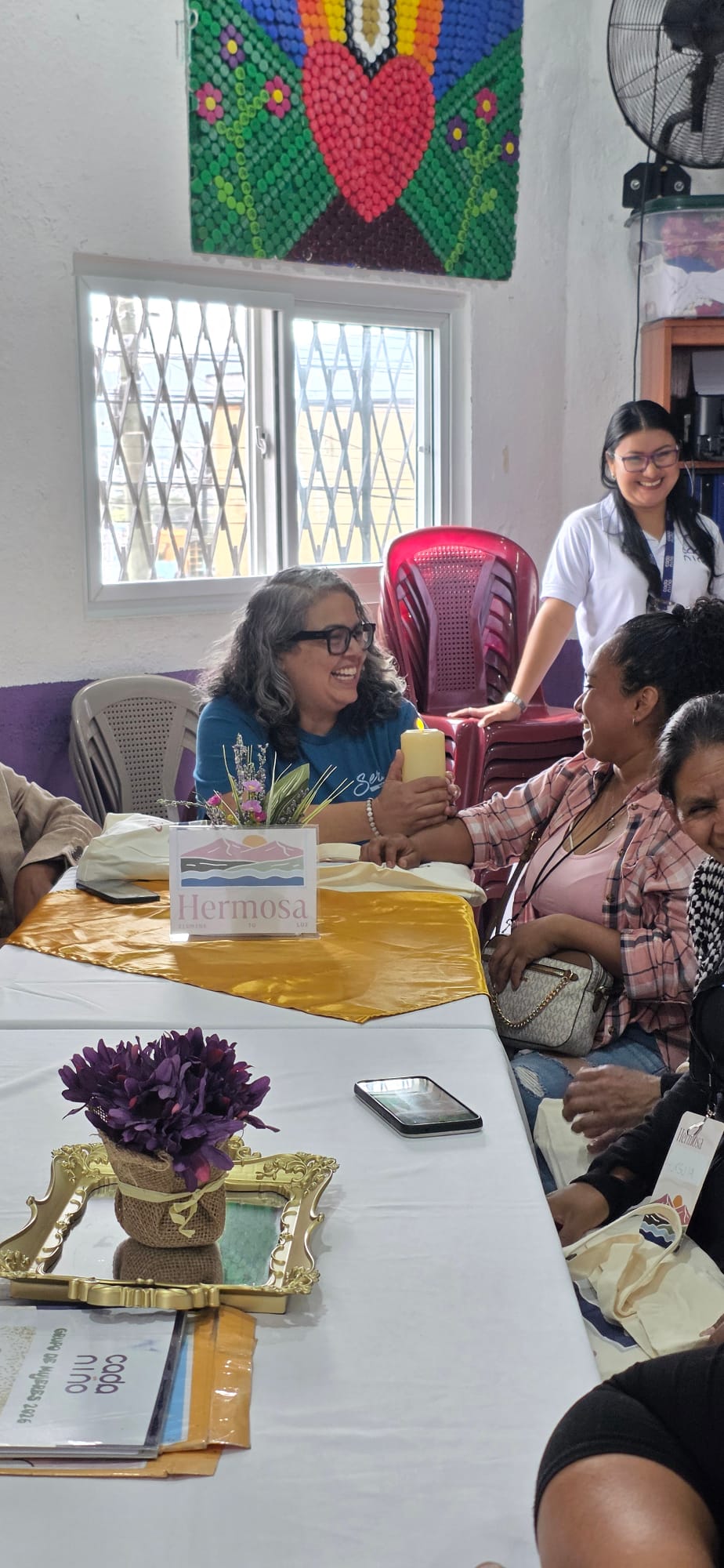
I think about the kinds of leaders I’ve had and the leader I am. When people ask about my leadership style, I identify with more than one—we can talk about that later—but mostly, I see myself as a servant leader.
What is that? I’m so glad you asked.
My way of explaining things is to use examples. Listen, I used to go to one of my all-time favorite leaders—we’ll call him Jeffy; he knows who he is—and say, “Explain it to me like you would a kindergartener.”
Funny to most who know me, but that’s how I learn. That’s also how I lead.
Wait, not like a kindergartener. You know what I mean. Moving on.
Yes, this belongs in the workplace, too
Servant leadership can sound like something reserved for community service, nonprofits, or faith-based organizations. But it belongs in the workplace, too.
Think about a leader who asks what’s getting in the way, provides the tools people need, and follows through on concerns. That can build trust and help people succeed—for themselves, their team, and the business.
Serving your team also includes difficult conversations. “What support do you need?” belongs alongside “We agreed on this expectation, and we need to talk about why it isn’t being met.”
Here’s where I have to check myself: Am I helping someone grow, or stepping in so often that I’m taking away their chance to learn?
Keep that question in mind as I introduce my sister, Jessica—Jessi to everyone who knows her. Her work happens in a church, but her example reaches beyond it.
Sometimes, it looks like a washing machine
Jessi told me about a mom who recently moved from New Jersey to Tampa with her three sons. She had found a rental home but had no furniture. With two teenage boys playing high school sports, she was making nightly trips to the laundromat.
When someone asked about having appliances picked up, Jessi thought of that family. She connected the mom with a practically new washer and dryer, then asked a volunteer with a truck to help. He picked them up and installed them.
Jessi knew about a need, recognized an opportunity, and brought someone else into meeting it.
But how do you learn what someone needs without making them feel exposed?
“Typically we ask people, ‘How can I pray for you?’” she explained. “This allows people to share what they feel led to share which helps them keep their dignity.”
In her church community, that question opens a door. The person gets to decide how far to open it.
Trust takes more than good intentions
Jessi has been at her church for 13 years: five serving in children’s ministries and eight working full time. She also grew up in the community. When someone needs help, people tell them to ask for her.
“It’s truly humbling,” she said. “If I don’t know the answer, we’ll find it out together.”
I love that. She offers honesty and a willingness to help figure it out.
When I asked what shaped her approach, her answer brought us back to our mother.
“We saw her serve others all our lives.”
Visiting the sick. Cooking in the church kitchen. Gathering Christmas gifts for the migrant community in Ruskin. And because our mother didn’t drive, her friends served our family, too, giving us rides to church and beyond.
“I lead from her example.”
We grew up seeing both sides: offering help and receiving it.
Who gets to say whether we helped?
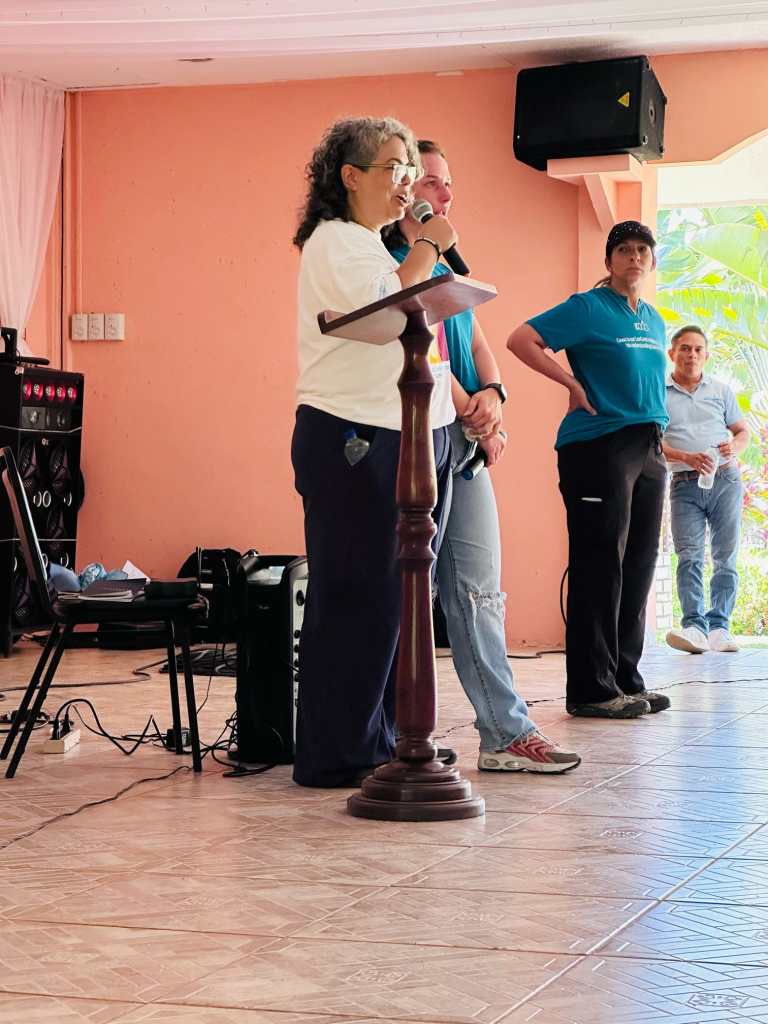
For mission trips, preparation begins six months ahead. The women build trust, discuss expectations, plan, gather supplies, and pray together.
Jessi also acknowledges the limits of their visit:
“Once we leave, they stay behind to continue to do the work we get to witness for a moment in time.”
Afterward, they debrief with their mission partners. What went well? What could have gone better? Do the partners want them to return?
That last question matters. Feeling good about helping doesn’t tell us everything about whether our help was useful. The people receiving it need a say.
“Am I a leader? Yes.”
At first, Jessi told me she hadn’t thought of herself as a leader because she loved what she did. I pushed back. I see her inspire and support others.
She clarified:
“I do see myself as a leader and am grateful that throughout my life and watching mami, I have been able to train and teach others to lead the same way…with love and contentment to serve.”
For Jessi, faith is the foundation. She pointed me to Mark 10:45, where Jesus describes coming to serve rather than to be served.
Think about that. How can I help others grow and succeed? Am I influencing and leading with compassion?
Jessi described being content in her coordinator role, cheering on colleagues as they receive promotions and opportunities, while also leading women on mission trips. Her contentment doesn’t keep her from teaching or taking responsibility.
“Am I a leader? Yes,” she said. “But would continue to be who I am with or without the title.”
That’s what I want to carry into my own leadership: listen, follow through, and stay willing to learn. At work, that includes clear expectations and the support people need to meet them.
And when our help misses the mark, we have to be willing to hear it and change.
Have you ever offered help and realized you’d misunderstood what someone needed? What did you do next?
Be you. Do you. And make room to hear what others need from you.


Leave a Reply